
From observations
to opportunities
A designer with a passion for strategic thinking - exploring shifts in culture and consumer behaviour and turning them into insights, ideas and opportunities for brands.
Creative Strategy · Research · Foresight
Cultural Trends · Consumer Insights
John Lewis London
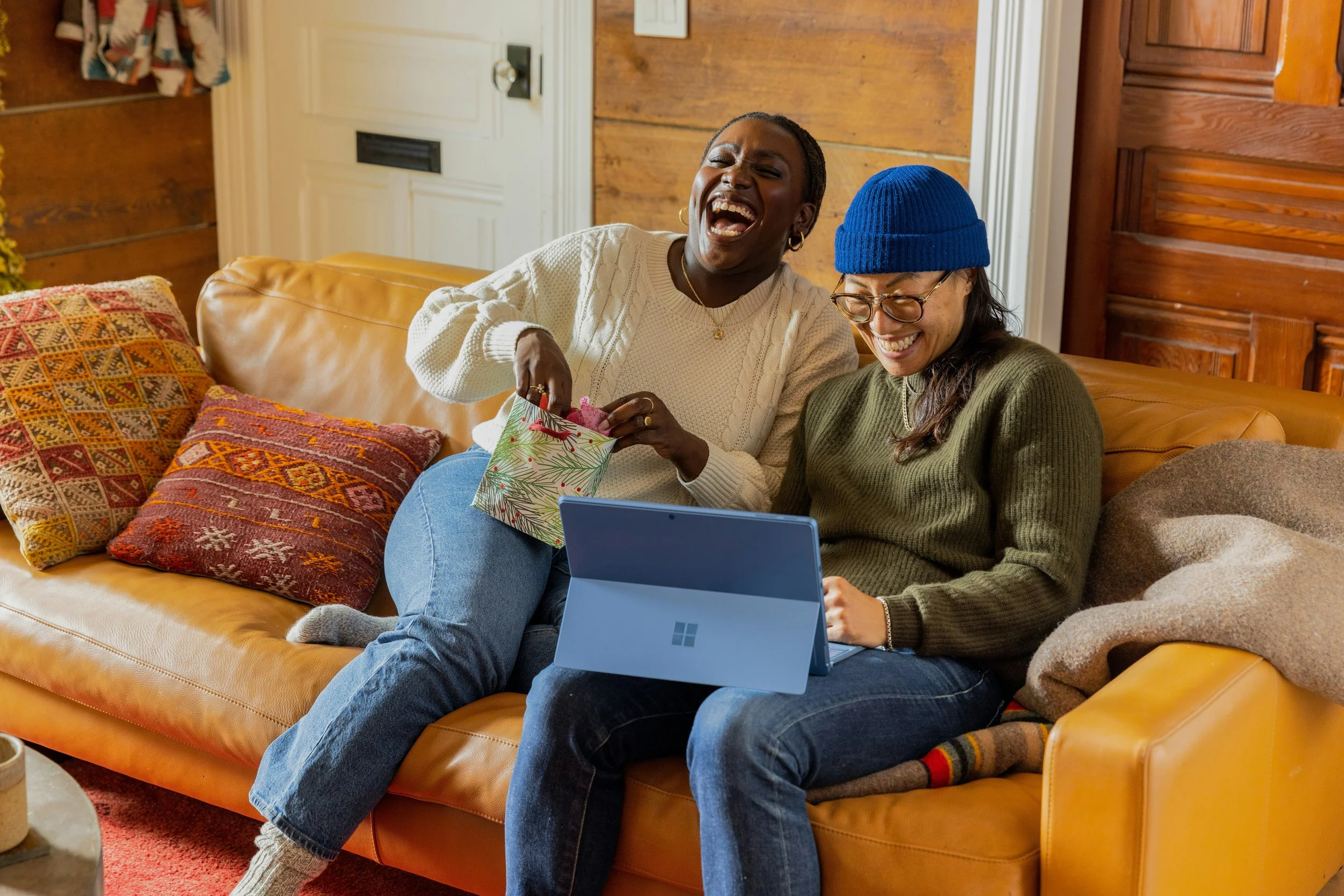
Will AI increasingly become the gatekeeper between the customer and the brand?
-
The brands that win may need to master two languages at once - emotional storytelling that connects with people and clear, credible information that earns an AI recommendation.
-
AI is starting to sit between consumers and brands, helping people search, compare and decide what to buy. John Lewis says AI-agent-driven shopping already represents 2.5% of its product searches, up from 0.3% a year earlier.
-
Instead of winning a consumer scrolling through ten products, brands increasingly need to be understood and recommended by an AI acting on that consumer's behalf.
-
Brand preference could increasingly be shaped before someone ever reaches a website, store or ad - changing what visibility, differentiation and even brand loyalty mean.
White Claw x
TOMBOGO
Could yesterday’s waste become tomorrow’s most desirable product?
-
Brands can rethink surplus materials as a creative resource - turning what would normally be discarded into something people want to wear, use and talk about.
-
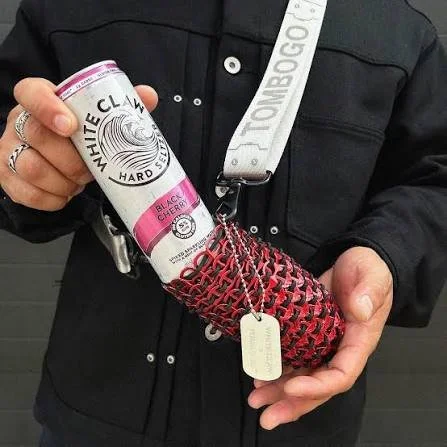
White Claw stepped beyond the drinks category through its collaboration with TOMBOGO, transforming recycled can tabs into the “CLAW Bag” and later a full fashion collection of clothing and jewellery.
-
Sustainability is moving beyond simply using less towards finding creative ways to reuse what already exists, with circular design turning waste and surplus materials into part of the product story.
-
Repurposing recognisable brand materials can make sustainability tangible rather than just another claim. It gives waste a second life while creating distinctive products that extend a brand into unexpected cultural spaces.
Hulah
Could the future of dating apps be less about endless swiping and more about trusted recommendations?
-
Community and endorsement could create a safer, more curated way to connect.
-
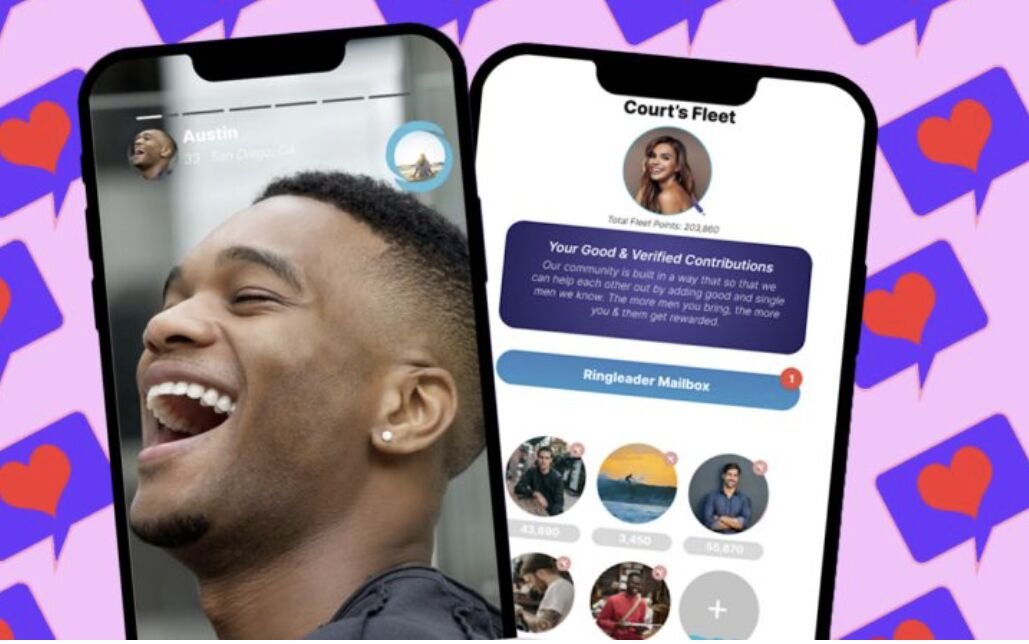
Hulah puts a different spin on online dating: men need to be endorsed by women to join and remain active, using the power of sisterhood to help filter potential matches.
-
Dating apps have spent years adding safety features, but Hulah moves trust to the centre of the experience - giving women greater control over who enters their dating pool.
-
Hulah's approach addresses the concerning statistic that 33% of dating app users aged 18-35 have faced harassment or abuse by someone they met on a dating app (Source BBC).
With harassment and safety still major concerns in online dating, community-led curation offers something algorithms can't always provide: personal accountability and a sense of quality assurance.
The Sopranos x
TikTok
How can brands make nostalgia feel relevant to a new generation?
-
Instead of simply looking back, there’s an opportunity to reshape familiar stories and cultural moments around how people consume content today.
-
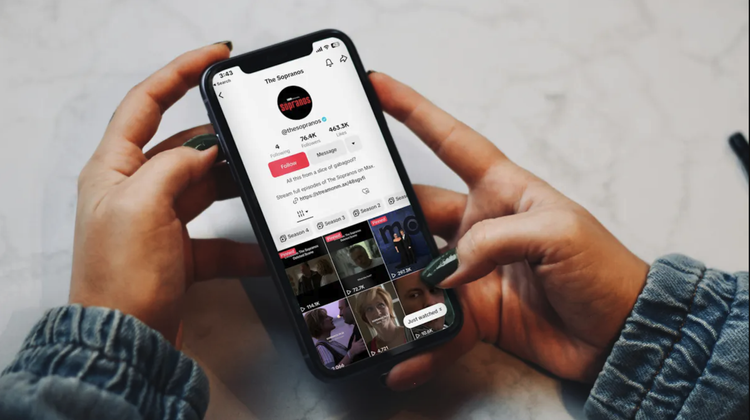
To celebrate The Sopranos’ 25th anniversary, HBO condensed every episode into 25-second TikTok edits — turning 86 hours of the iconic series into just 36 minutes of bite-sized content.
-
As attention becomes harder to earn, nostalgia is evolving into “nowstalgia” - familiar cultural references reimagined through today’s platforms, behaviours and rituals.
-
Nostalgia already carries an emotional connection, but adapting it for the present can introduce much-loved brands and stories to entirely new audiences - without relying on them having experienced the original.
Return of
“third place”
Could brands become places to belong, rather than simply places to buy?

-
Retail, hospitality and even traditionally digital brands could create spaces and rituals that help people connect in real life.
-
After years of increasingly digital lives, younger consumers are seeking more opportunities to meet around shared interests, the “third place” can vary from running clubs and cafés to workshops, fitness spaces and other community-led experiences. With the “first place” (home) “second place” (work), people are craving environments to socialise in real life with shared interests.
-
Connection is moving from followers and group chats towards participation, shared interests and being physically present.
-
Brands have spent years building digital communities. There is now an opportunity to give those communities somewhere to actually exist.
Corona Cero
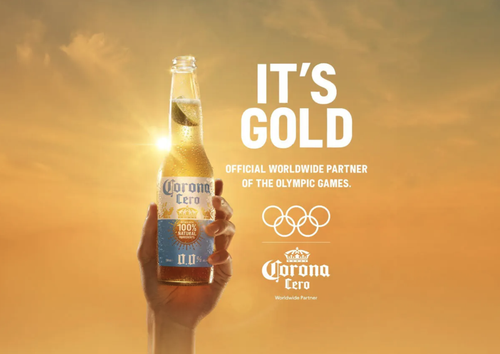
Could beer become a wellbeing beverage?
-
Alcohol-free brands have an opportunity to move beyond simply removing alcohol and explore ingredients that support hydration, focus and recovery - creating new drinking occasions along the way.
-
Paris 2024 named Corona Cero its official beer, marking the first global beer sponsorship of the Olympics and putting an alcohol-free product on one of sport’s biggest stages.
-
Non-alcoholic beer is moving into the mainstream, giving brands a way to participate in major sporting and social occasions while appealing to a much broader audience.
-
Unlike traditional alcohol sponsorships, 0% products can be accessible to more people and more occasions. That opens the door for beer brands to connect with sport, wellbeing and performance — and rethink what a beer can actually offer.
Burt's Bees x
Hidden Valley
Ranch (Collab)
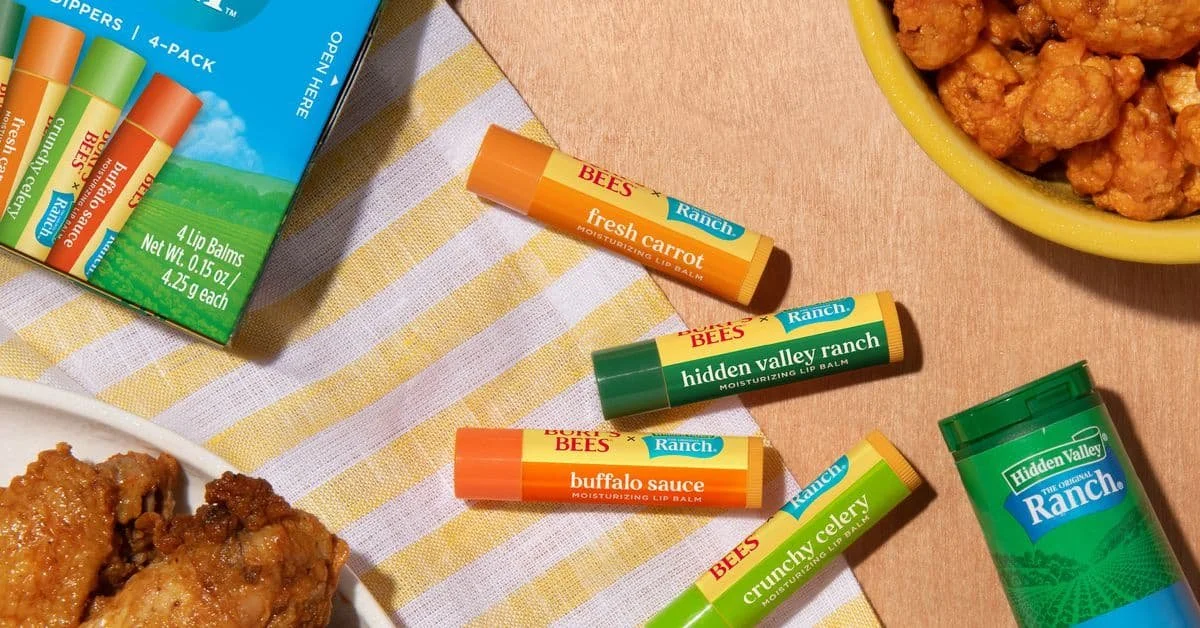
What happens when brands take familiar sensory experiences and flip them completely?
-
Looking beyond expected flavours, scents and textures could turn everyday products into something surprising, playful and desirable.
-
Burt’s Bees and Hidden Valley Ranch collaborated on a limited-edition range of savoury lip balms inspired by a basket of wings - including Ranch, Buffalo Sauce, Celery and Carrot - which quickly sold out.
-
Beauty is becoming more experimental and multisensory, borrowing unexpected cues from food and other categories to make everyday routines feel more entertaining and indulgent.
-
Consumers already know what a lip balm is supposed to taste like. Breaking those familiar category rules gives brands an opportunity to stand out, spark conversation and turn even the most ordinary product into an experience.
Lays x
IHOP (Collab)
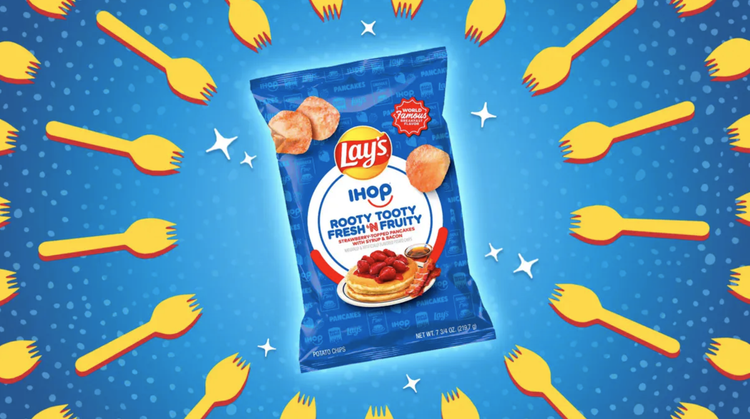
Could brands bottle the comfort of a favourite meal and take it somewhere completely unexpected?
-
Familiar flavours could bring a sense of indulgence and nostalgia to new products, formats and occasions.
-
Lay’s and IHOP teamed up to turn the flavours of a classic breakfast — pancakes, strawberries, maple syrup and bacon — into a limited-edition potato chip.
-
Breakfast habits are becoming more flexible, with consumers looking beyond traditional on-the-go options for convenient choices that still deliver on taste, comfort and enjoyment.
-
Convenience doesn’t have to mean compromising on experience. By borrowing the flavours and emotions of familiar food rituals, brands can create unexpected products that make everyday moments feel more indulgent.
Hismile
Could the daily routines we dread become something we actually look forward to?

-
Brands can bring a little indulgence into everyday rituals by making functional products feel more playful, pleasurable and rewarding.
-
Hismile swapped traditional mint for the comforting taste of Cinnamon Donut, joining flavours like Cotton Candy, Grape Bubblegum and Red Velvet to make brushing your teeth feel more like a treat.
While 50% of children typically favour sweet toothpaste and are particularly influenced by flavour in establishing positive oral hygiene habits (Colgate), adults are equally craving indulgent flavours for a more fun, elevated ritualistic experience.
-
Indulgent flavours aren’t just for kids. Adults are embracing playful, unexpected experiences that bring small moments of pleasure into otherwise ordinary routines.
-
When something feels enjoyable rather than obligatory, our relationship with the routine changes. By introducing unexpected flavours and sensory experiences, brands can turn everyday necessities into moments consumers actually want to engage with.
“Crookie”
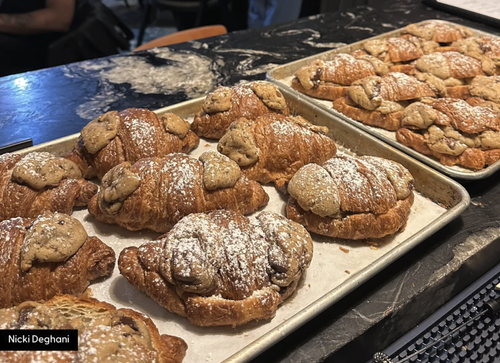
What happens when two things people already love collide?
-
Brands can remix familiar favourites into unexpected combinations that feel instantly recognisable, but new enough to spark curiosity and FOMO.
-
The viral “Crookie” combines a French croissant with American chocolate-chip cookie dough, travelling from Paris to Janie’s Life-Changing Baked Goods in NYC after gaining attention across social media.
-
Food mash-ups are moving beyond novelty, as consumers seek more adventurous and unexpected combinations - with TikTok and social media accelerating weird and wonderful creations into must-try trends.
-
Brands don’t always need to invent something completely new to create excitement. Combining familiar products in unexpected ways can tap into existing love for both, while creating something surprising, shareable and culturally relevant.
Hormel Chili
Could solving the smallest social awkwardness lead to the most memorable ideas?
-
Brands can turn everyday frustrations and unspoken behaviours into playful innovations that make sharing feel easier.
-
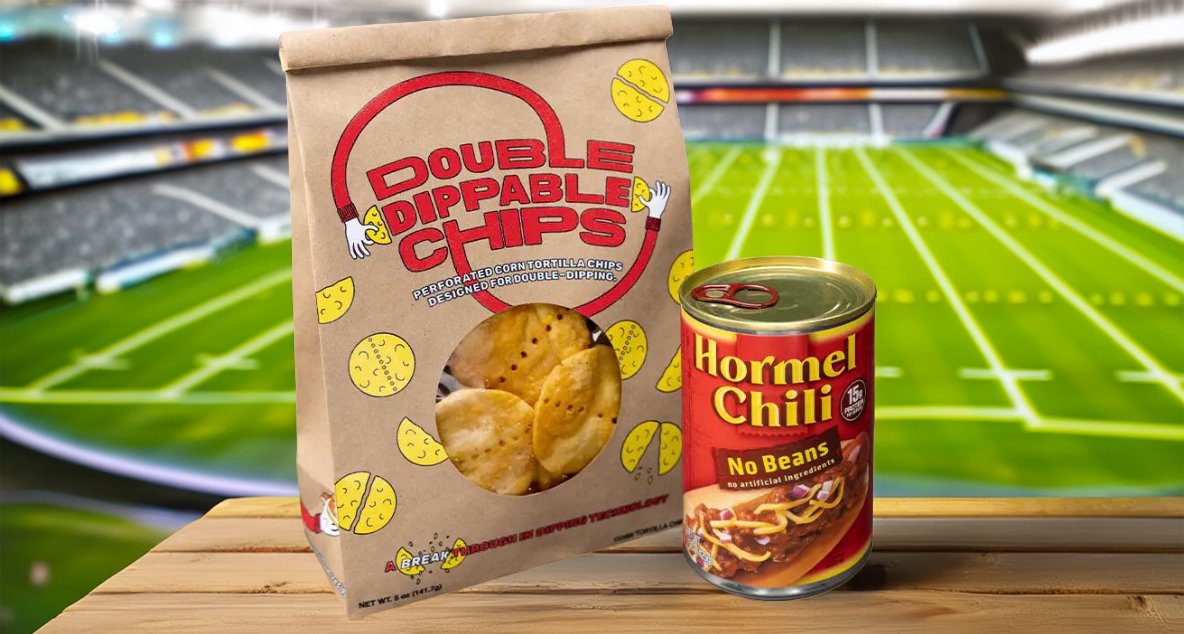
Hormel Chili created Double Dippable Chips - circular chips with a perforated centre that can be snapped in two, letting snackers dip twice without committing the dreaded double dip.
-
People are becoming more conscious about hygiene when sharing food, changing familiar social rituals and finding new ways to enjoy communal snacks without getting quite so close.
-
Great innovation doesn’t always need to solve a huge problem. Spotting the tiny tensions in everyday behaviour can inspire simple, intuitive ideas that consumers immediately understand - and give brands a memorable role in solving them.